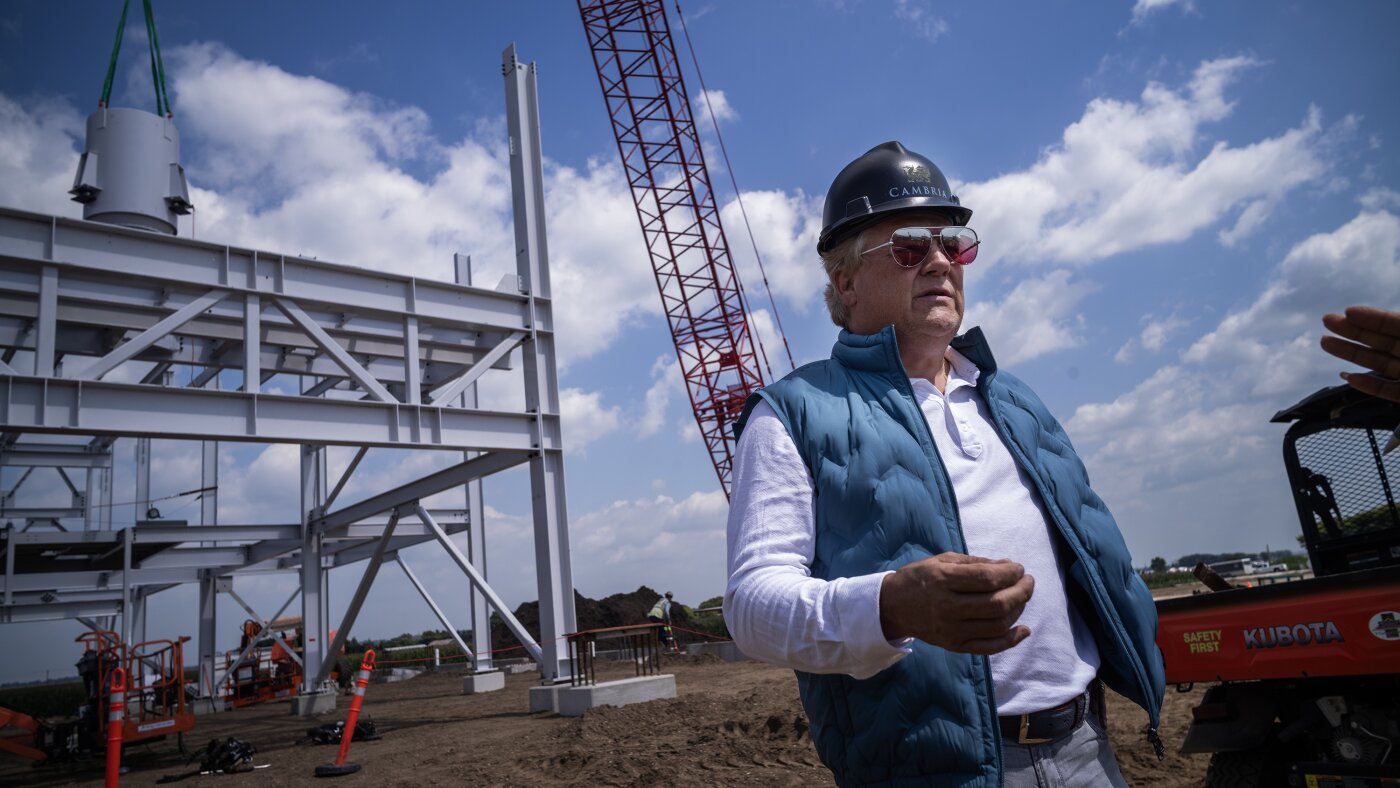
Free US stock insights platform delivering real-time market data, expert analysis, and curated stock picks for smart investors. Our services include daily market reports, earnings analysis, technical charts, portfolio recommendations, and risk management tools designed to help you achieve consistent returns. Join thousands of investors accessing professional-grade analytics previously available only to institutional investors. Start building your profitable portfolio today with our comprehensive platform designed for long-term growth and controlled risk exposure. Marty Davis, CEO of Cambria, has successfully petitioned the U.S. government to impose tariffs on imported quartz, a move that critics say weaponizes trade policy against domestic rivals. Competitors are crying foul, alleging the tariffs unfairly benefit Cambria at their expense, raising questions about the use of trade remedies for competitive advantage.
Live News
- Tariff specifics: The U.S. Department of Commerce imposed antidumping duties on quartz from multiple countries, including India, Malaysia, and Turkey, with rates ranging from 50% to over 300% in some cases. These tariffs affect a wide range of quartz slabs used in countertop fabrication.
- Competitor backlash: Several U.S.-based quartz fabricators that rely on imported materials have seen their profit margins squeezed. Some have reportedly laid off workers or scaled back operations, according to industry trade groups.
- Political ties: Marty Davis is a prominent political donor, having contributed to Trump-aligned PACs and campaigns. Critics argue this relationship may have facilitated the tariff approval process, though no evidence of impropriety has been publicly established.
- Market implications: The tariffs could reshape the U.S. countertop industry, potentially benefiting domestic quartz producers like Cambria while hurting smaller fabricators and raising costs for consumers. The long-term impact on housing and renovation markets remains to be seen.
- Regulatory scrutiny: The incident has prompted calls for reform of the U.S. antidumping petition system. Lawmakers from both parties have expressed interest in reviewing how such petitions are evaluated, particularly when they involve domestic producers competing against each other.
Cambria CEO Marty Davis Leverages Tariffs on Quartz to Squeeze CompetitorsDiversifying the sources of information helps reduce bias and prevent overreliance on a single perspective. Investors who combine data from exchanges, news outlets, analyst reports, and social sentiment are often better positioned to make balanced decisions that account for both opportunities and risks.From a macroeconomic perspective, monitoring both domestic and global market indicators is crucial. Understanding the interrelation between equities, commodities, and currencies allows investors to anticipate potential volatility and make informed allocation decisions. A diversified approach often mitigates risks while maintaining exposure to high-growth opportunities.Cambria CEO Marty Davis Leverages Tariffs on Quartz to Squeeze CompetitorsMonitoring multiple asset classes simultaneously enhances insight. Observing how changes ripple across markets supports better allocation.
Key Highlights
In a controversial application of U.S. trade law, Marty Davis, CEO of Cambria—a major American producer of quartz countertops and a known donor to former President Donald Trump—has secured new tariffs on imported quartz. The action, confirmed by the U.S. Department of Commerce in recent months, imposes duties on quartz from several countries, effectively raising costs for Cambria's domestic competitors that rely on imported materials.
Davis argued that foreign quartz producers were dumping products at unfairly low prices, harming U.S. manufacturers. The government agreed, imposing tariffs that can exceed 300% in some cases. However, rival companies contend that Cambria itself produces quartz domestically and stands to gain market share as competitors face higher input costs. Several industry players have publicly accused Davis of using the tariff petition as a weapon rather than a remedy for genuine trade harm.
"By locking in tariffs on quartz, Cambria is essentially putting a tax on its competitors' raw materials," said one industry representative, speaking on condition of anonymity due to the legal sensitivity. "This isn't about fair trade; it's about crushing competition."
The tariffs have sparked debate among trade experts and policymakers about the potential for misuse of antidumping laws. Cambria has not commented on the specific allegations, but the company has previously stated that it follows all legal procedures to protect American jobs and manufacturing.
Cambria CEO Marty Davis Leverages Tariffs on Quartz to Squeeze CompetitorsReal-time monitoring of multiple asset classes allows for proactive adjustments. Experts track equities, bonds, commodities, and currencies in parallel, ensuring that portfolio exposure aligns with evolving market conditions.Scenario planning is a key component of professional investment strategies. By modeling potential market outcomes under varying economic conditions, investors can prepare contingency plans that safeguard capital and optimize risk-adjusted returns. This approach reduces exposure to unforeseen market shocks.Cambria CEO Marty Davis Leverages Tariffs on Quartz to Squeeze CompetitorsThe integration of AI-driven insights has started to complement human decision-making. While automated models can process large volumes of data, traders still rely on judgment to evaluate context and nuance.
Expert Insights
Trade policy analysts suggest that while antidumping laws are designed to protect domestic industries from unfair foreign competition, they can be susceptible to strategic abuse. The Cambria case highlights a potential loophole: a domestic producer that does not itself import the targeted goods can still petition for tariffs that hurt its rivals who do.
"The system is intended to level the playing field, but it can also be gamed," said a trade law expert at a Washington, D.C., think tank, who requested anonymity. "When a domestic manufacturer successfully lobbies for tariffs on an input that its competitors need but it does not, that raises serious questions about the purpose of the remedy."
Legal challenges from affected competitors are possible, but such cases are difficult to win because courts typically defer to Commerce Department findings if they are supported by evidence. However, the broader reputational risk for Cambria could be significant. Investors and consumers may scrutinize the company's business practices more closely.
For the broader market, this episode may encourage other domestic producers to consider similar tariff petitions as a competitive tool. That could lead to a fragmented supply chain and higher costs for end-users in construction and home improvement sectors. Analysts caution that while short-term gains for companies like Cambria might occur, the potential for retaliatory tariffs from trading partners and long-term inefficiencies could offset any benefits. Investors in the building materials sector should monitor trade policy developments, as the playing field may shift unpredictably in the coming quarters.
Cambria CEO Marty Davis Leverages Tariffs on Quartz to Squeeze CompetitorsReal-time market tracking has made day trading more feasible for individual investors. Timely data reduces reaction times and improves the chance of capitalizing on short-term movements.The interpretation of data often depends on experience. New investors may focus on different signals compared to seasoned traders.Cambria CEO Marty Davis Leverages Tariffs on Quartz to Squeeze CompetitorsPredictive tools often serve as guidance rather than instruction. Investors interpret recommendations in the context of their own strategy and risk appetite.